
I went back to school at age 38, seeking to shift my career from clinical veterinary medicine to a role more aligned with ecology and One Health concerns.
The Master of Science in Conservation Medicine (MCM) program at Cummings School of Veterinary Medicine at Tufts University prepares scientists and professionals to address complex challenges in animal and human health—challenges that are increasingly shaped by interactions among biological systems, the environment, and global society.
The first graduate program of its kind in the country, the one-year, in-person, interdisciplinary MCM program fully integrates One Health, a concept pioneered by Tufts, to address global health issues through the interconnection of animal and human health and the environment.
Through small group learning, faculty mentorship, capstone project work, and hands-on externship experiences, MCM students gain the practical knowledge and skills to address urgent and complex issues affecting the world today, including emerging and resurging diseases, habit use conflicts, environmental contamination, ecosystem and climate change, biodiversity loss, and ecosystem function degradation.
MCM students build a strong network of connections, learning from global health experts from across Tufts University and around the world—and within a tight cohort of peers. MCM students bring diverse professional and academic backgrounds to the program, with a common dedication to making a difference in broad areas of conservation.
MCM students are trained to take on a variety of leadership roles in conservation medicine to tackle urgent environmental issues worldwide through a One Health approach. Students acquire interdisciplinary skill sets, hands-on experience, and the credentials to launch their careers, open new professional pathways in conservation medicine, advance to higher degrees, or pursue research. MCM graduates are uniquely prepared for doctoral-level programs, fellowships, and internships.
MCM graduates move into fulfilling careers in government, NGOs, the private sector, and academia, including:
From advising African and Southeast Asian communities facing rising sea levels to protecting threatened wildlife from extinction in the Galápagos Islands, MCM alumni are making an impact across a spectrum of careers in the U.S. and abroad.
I went back to school at age 38, seeking to shift my career from clinical veterinary medicine to a role more aligned with ecology and One Health concerns.
The breadth and depth of the MCM curriculum provides a broad perspective on the diversity of fields that address environmental and global health issues. With hands-on, experiential learning opportunities to master essential skills and a focus on professional development, courses are designed to prepare students for a wide array of careers in conservation medicine. The interdisciplinary, team-taught courses impart foundational knowledge and incorporate lab and fieldwork, where students acquire practical conservation skills in a small group setting alongside faculty and peers. Research opportunities focus on advancing human and animal health through a One Health approach.
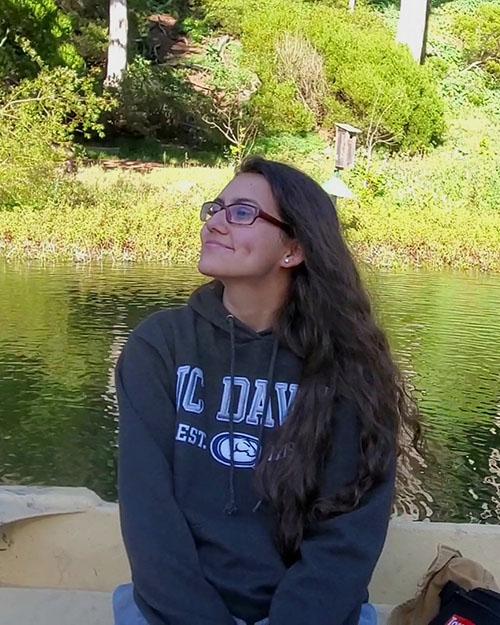
I enjoyed the variety of unique classes, electives, and hands-on experiences this program offers. From developing research techniques to GIS mapping to flying drones, this program allowed me to explore the various interests I have in the field of conservation and One Health.
Every student gains real-world experience in their chosen area of study on externship in a conservation setting. Tufts’ faculty help connect students with transformational and career-building externships at conservation organizations, aquariums, zoos, and wildlife centers, and within Tufts and partner universities. From studying the health of humpback whales in Alaska to rehabilitating black howler monkeys for release back into the wild in Belize, MCM students have externed at hundreds of programs, organizations, and institutions throughout the United States and on five continents. Students immerse themselves in their career field of interest, putting theory into practice while training under the guidance of academic and field mentors.
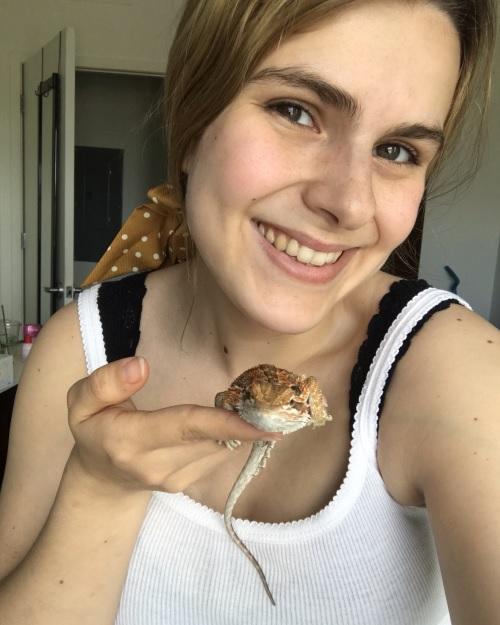
I’m so grateful for this program setting me up to thrive in the conservation space and land an externship at Oregon Caves National Monument and Preserve, where I worked on researching various species of bats and salamanders. I really value the skills and experience I gained working for the National Park Service and will always look back on my time there fondly.
Every MCM student undertakes an intensive case study project to comprehensively analyze a challenging conservation medicine issue, from fire and infectious disease to the effects of rodenticides on New England fishers. MCM students are publishing, presenting, and receiving awards and grants for their research advancing global health initiatives.
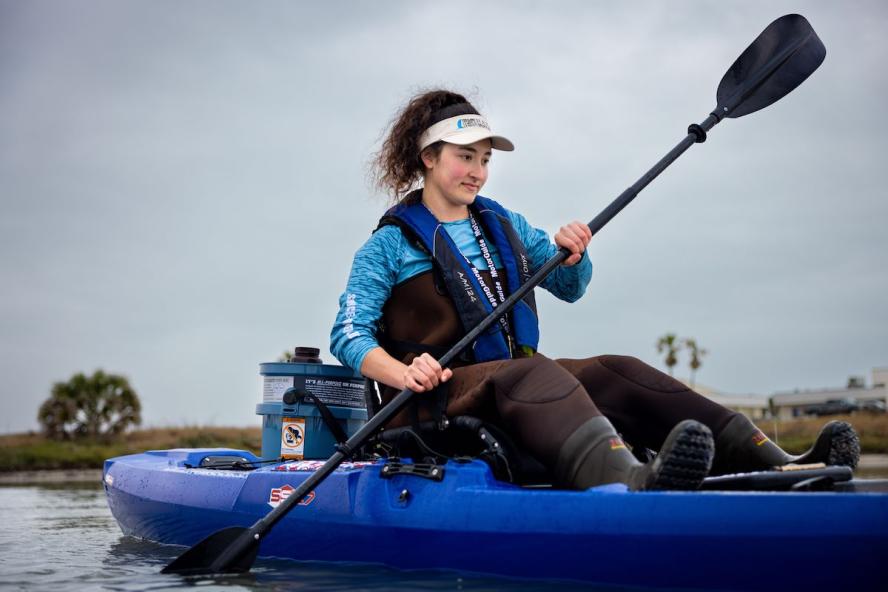
The research experience I gained at Cummings School made me realize what I enjoyed most about science and allowed me to get to a place where I can keep doing that.
MCM graduates are a well-trained cohort of transdisciplinary, passionate individuals committed to working together to identify, improve and solve issues negatively impacting today's complex world.

Tufts Center for Conservation Medicine serves as a hub of conservation experts and resources to help solve today’s most pressing global health issues through innovative educational programs and research into zoonotic diseases.
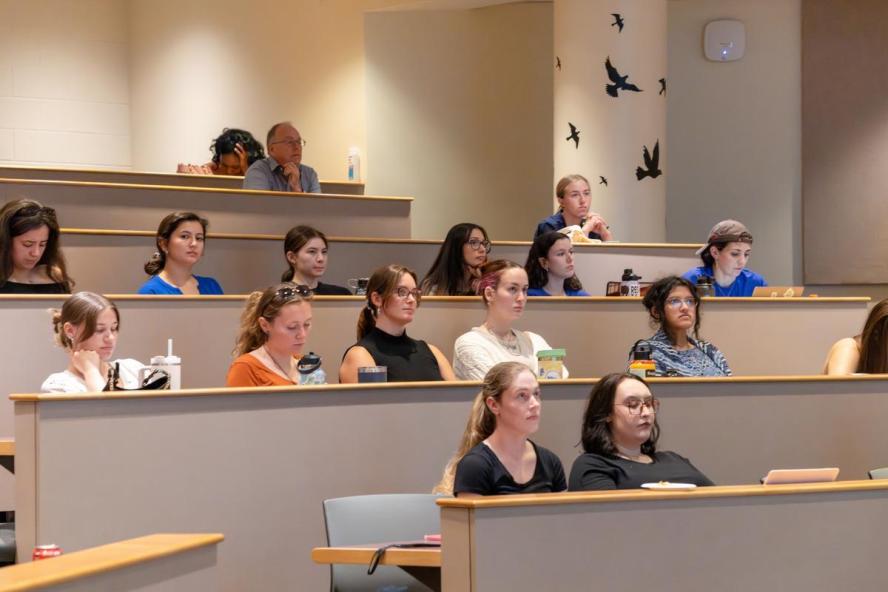
The field of conservation medicine encompasses multiple disciplines; similarly, the MCM program seeks students of diverse backgrounds, including veterinarians, natural and social scientists, engineers, public health and medical professionals, lawyers, policy and wildlife professionals, and others interested in developing their expertise in conservation medicine issues. MCM graduates are uniquely prepared to enter a wide variety of health, conservation, and policy careers trained with a broad perspective and interdisciplinary skillset.
Ready to turn your passion into your day job?
MCM students enter into a worldwide network of conservation experts.
MCM’s multidisciplinary team of professors and mentors includes wildlife veterinarians, epidemiologists, ecologists, policy experts, and environmental engineers. MCM faculty conduct research worldwide in wildlife conservation, infectious diseases, environmental toxicants, humane animal population control, and environmental monitoring.
Faculty and resources are drawn broadly from all Tufts schools, including Cummings School, the Graduate School of Arts and Sciences, School of Engineering, Fletcher School, School of Medicine, and Friedman School of Nutrition Science and Policy, to present students with a broad perspective of social, cultural, political, and economic factors in helping solve global health issues.
More than 50 global health experts from the private sector, government, and other universities guest lecture throughout the year, providing an invaluable resource for MCM students to learn from and network with a cadre of leaders in the field.


Program Faculty and Staff
Dr. Chris Whittier
Program Director
chris.whittier@tufts.edu
Dr. Alison Robbins
Assistant Director
alison.robbins@tufts.edu
Tracey Glover
Program Coordinator
Phone: 508- 887-4812
tracey.glover@tufts.edu
Office of Admissions
Cummings School of Veterinary Medicine at Tufts University
200 Westboro Road
North Grafton, MA 01536
Phone: 508-839-7920
Fax: 508-887-4820
vetadmissions@tufts.edu