Transforming Animal, Human, and Global Health
Inherent to the mission of Cummings School is advancing scientific knowledge to improve animal and human health through innovative research across more than 20 laboratories, in our seven veterinary hospitals and clinics, and in the field—on our Grafton, Massachusetts campus to locations around the world. Our research initiatives are rooted in curiosity about the natural world and compassion for animals and humans. Training future scientists and clinicians, disseminating our discoveries, and forging academic, corporate, and government partnerships to drive meaningful change are core elements of our work. We work tirelessly across the laboratory, clinic and in the field to develop breakthrough discoveries and solve complex problems that impact all species across our ever changing world.
DISCOVERY
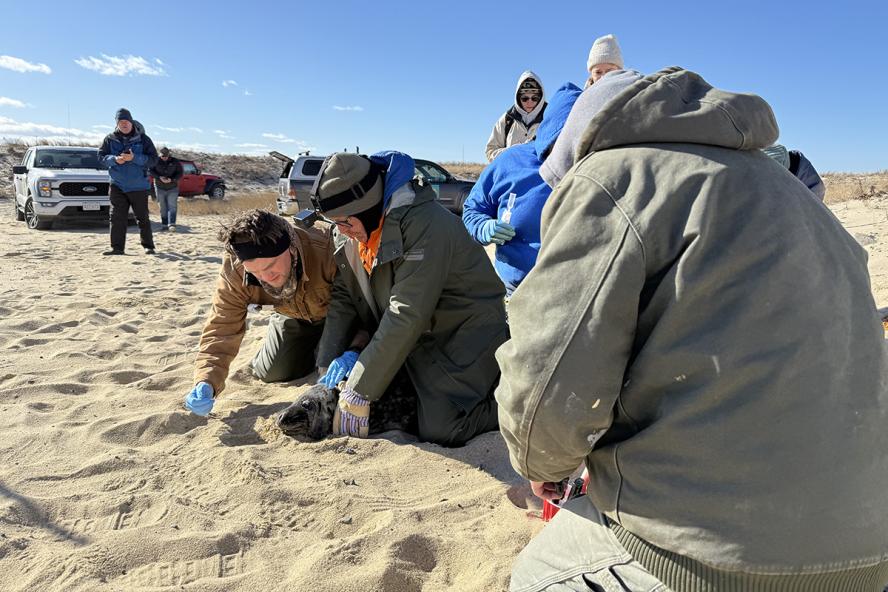
Our faculty are leaders in advancing methods and approaches that uncover new knowledge and drive scientific innovation. We have a passion for finding unique solutions to complex problems and creating groundbreaking diagnostics, treatments, and preventatives for diseases that impact veterinary and human patients. Our breakthroughs help engineer new vaccines for infectious diseases, track global zoonoses from rats in Boston to primates in Peru, and explore the molecular and genetic basis of cancer, opioid addiction and parasites.
TRANSLATION
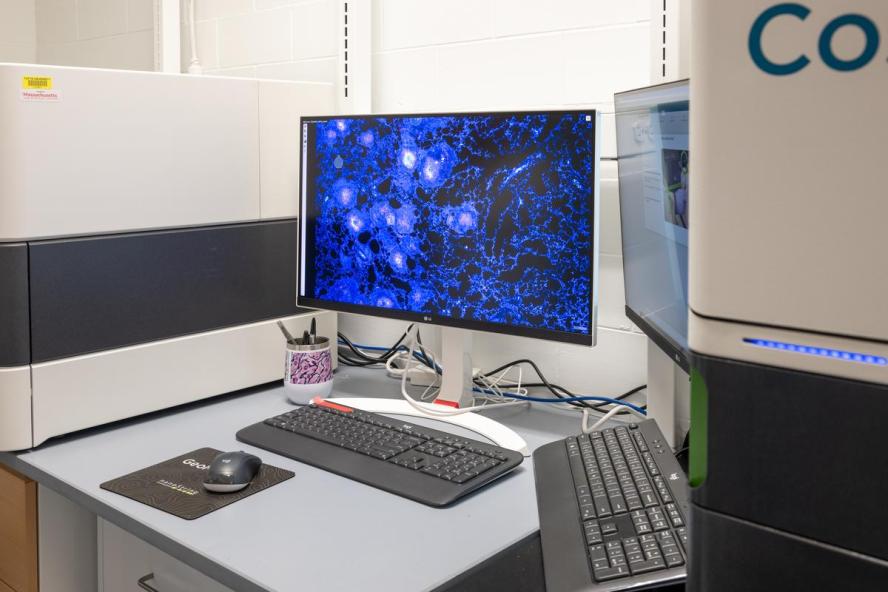
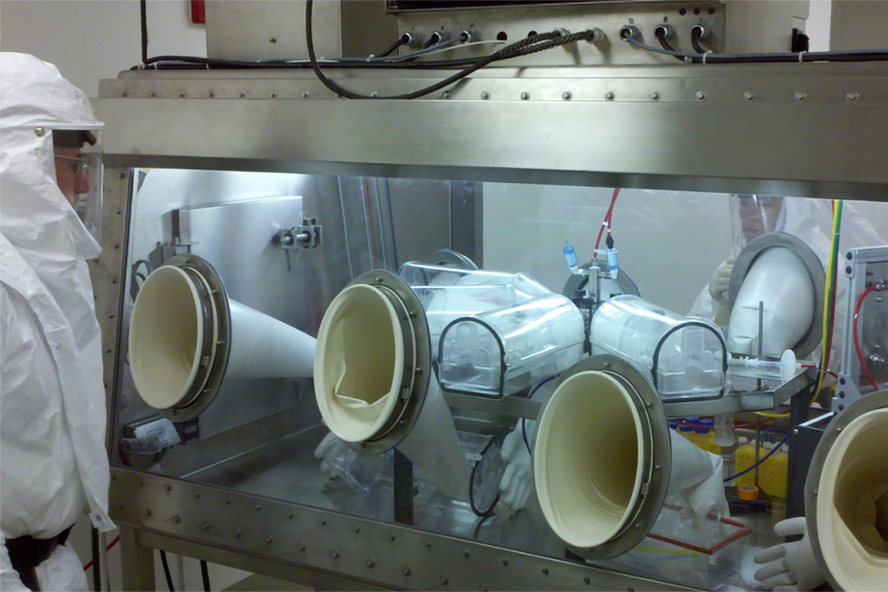
We create, validate, and improve laboratory-based and animal model systems necessary for the successful application of new diagnostics, treatments and devices. With support from the Clinical Research Shared Resource, we conduct studies across a diverse array of veterinary species and disease entities that generate knowledge critical for improving animal and human health. We work closely with academic and industry partners as well as human health stakeholders to ensure broad impact of our scientific discoveries.
LEARNING
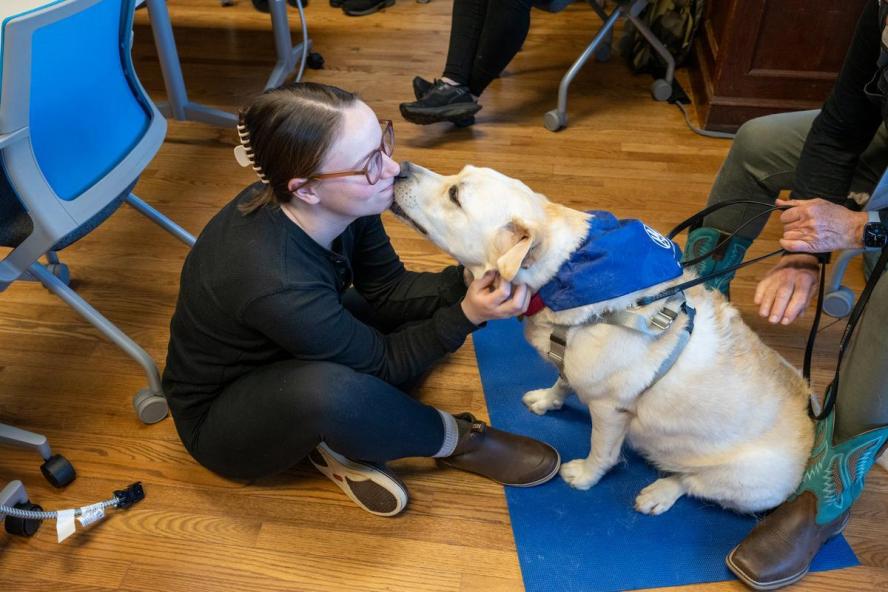
A core tenet of Cummings School is training the next generation of innovators. Students, interns, and house officers play an integral role in our mission and threads of research are woven throughout the curriculum. Trainees have diverse opportunities to conduct clinical, laboratory, and field studies, and the Summer Research Training Program provides immersive mentored research exposure. Together, these experiences inspire continued exploration of unique careers that blend research and veterinary medicine.
Research News
Up-to-date research articles from Cummings School, Tufts Now, OVPR site, and external sources
Ten faculty awarded Comparative Pathology and Genomics Shared Resource voucher program grants
Associate dean for research Cheryl London and students are quoted in Worcester Magazine about Research Day
Professor Sam Telford is quoted in Food and Drink Life on how to reduce the risk of tick-borne illnesses during late summer and fall
Wide array of research projects on display from D.V.M., graduate, and Ph.D. students and house officers
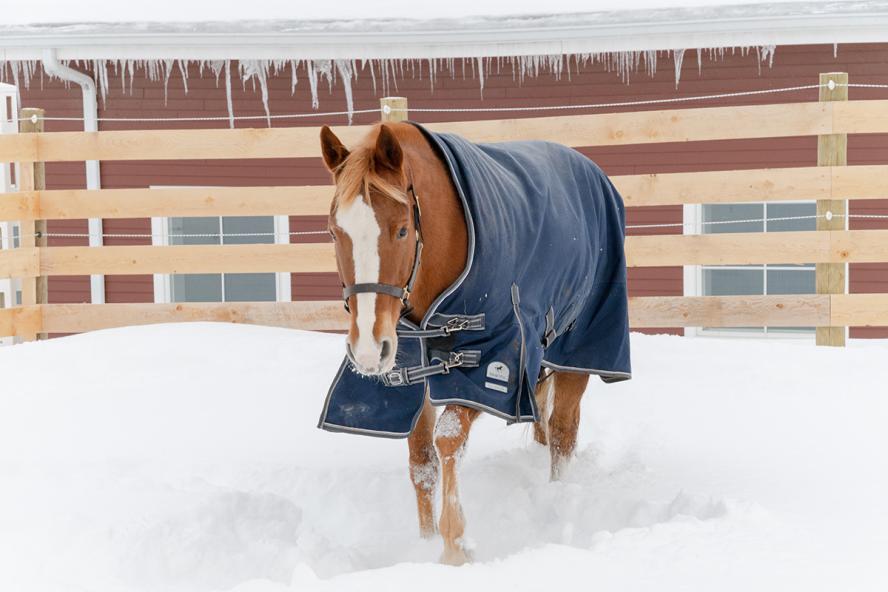
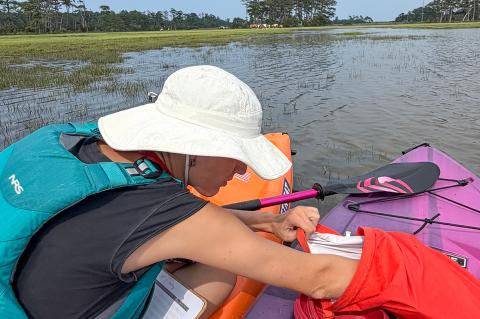
Studying welfare and autonomy among wild horses on Assateague Island
Johnson designed a new training model for the Sim Lab to test intraocular pressure