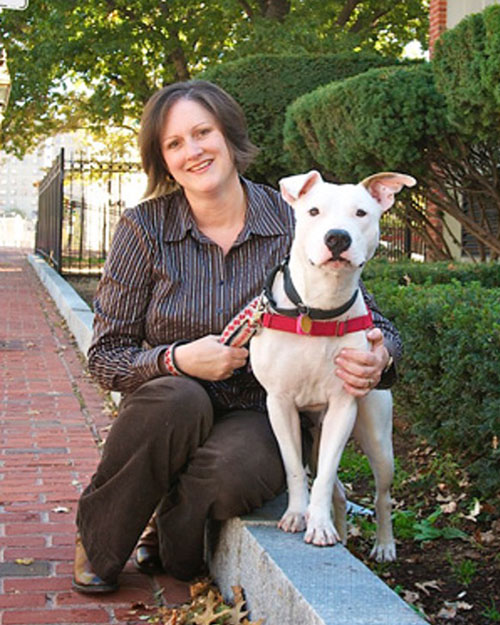
Although I enjoyed many aspects of my corporate career, I always wanted to impact animal welfare through my professional work. To do this in an effective manner, I knew I needed a good educational foundation.
Prepare for a leadership role in one of today’s fastest-growing and most socially relevant fields through the Master of Science in Animals and Public Policy (MAPP) program at Cummings School of Veterinary Medicine at Tufts University.
This one-year, in-person graduate program explores human-animal relationships and their implications for public policy, advocacy, and community action. Students gain a multidisciplinary understanding of the complex issues affecting animals by examining the intersection of science, policy, ethics, human behavior, and environmental systems, as they train to work within these systems to advocate for animals.
MAPP brings together students from a wide range of academic and professional backgrounds, including political science, public policy, animal welfare, biomedicine, and the social sciences. What unites MAPP students is a shared commitment to advancing the status of animals in society and creating meaningful change.
Through a combination of rigorous coursework, faculty mentorship, and real-world, hands-on experiences, students develop the skills, expertise, and professional credentials needed to address complex animal-related challenges and become effective leaders in the field. Students graduate prepared to influence policy, lead organizations, and drive positive outcomes for animals and the communities connected to them.
MAPP is a transformative program for students to explore and build new career paths, whether new to the field, pivoting into a different role within science or policy systems, or pursuing another advanced degree. MAPP builds students’ interdisciplinary skillset, real-world experience, and credibility to make a meaningful impact right out of the gate. MAPP graduates enter the workforce well-positioned to advance in careers in animal-related fields, including the following roles:
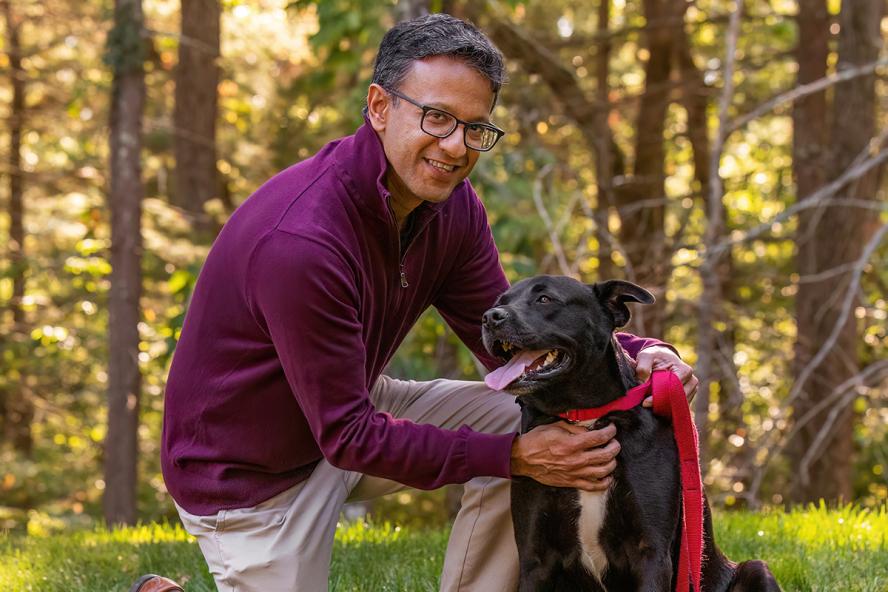
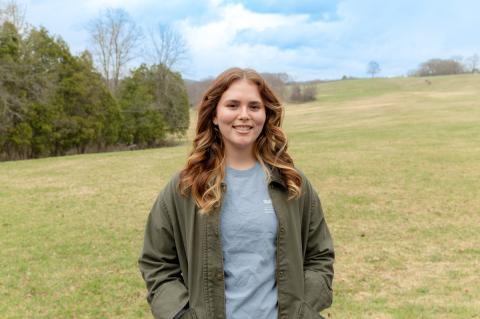
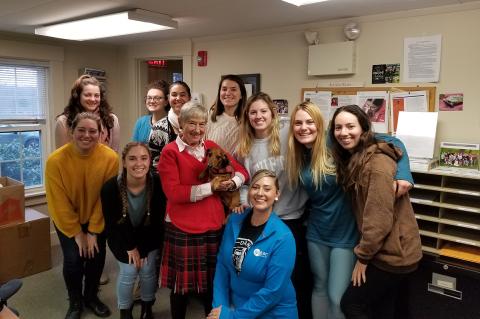
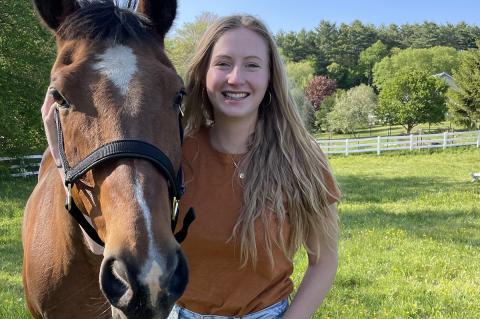
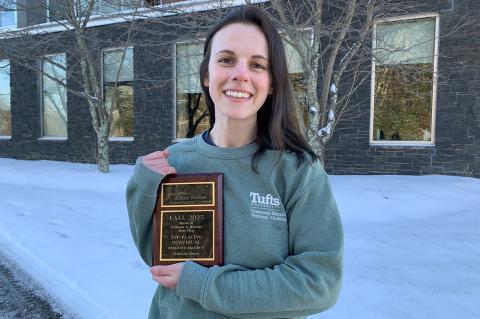
MAPP alumni represent a diverse community of perspectives, experiences, and professional paths, united by a shared commitment to advancing animal welfare. Meet MAPP graduates who are leading change across a wide range of fields and advocating for animals through their work.
Although I enjoyed many aspects of my corporate career, I always wanted to impact animal welfare through my professional work. To do this in an effective manner, I knew I needed a good educational foundation.
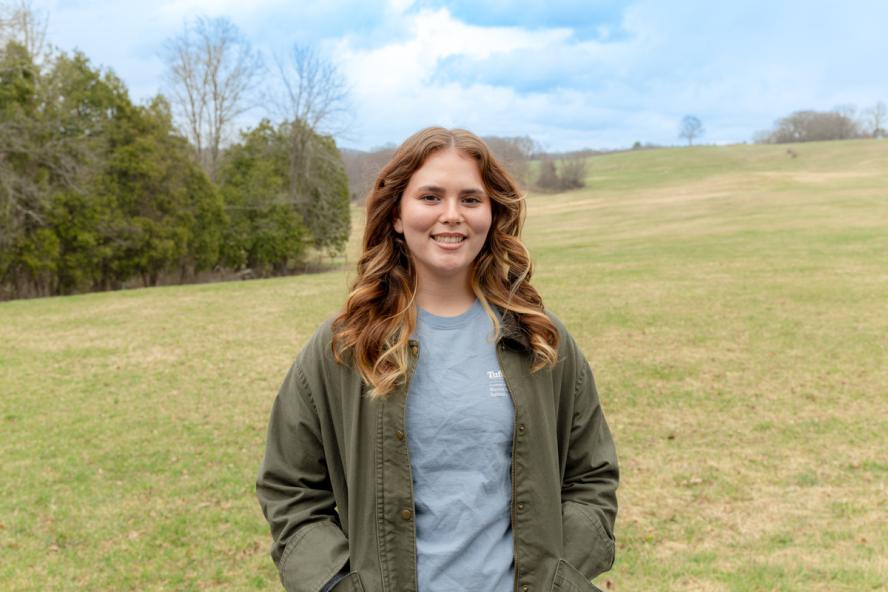
The MAPP program focuses on the human-animal connection and relationship, whether it's wildlife, zoo animals, companion animals, or lab animals. It’s perfect for me. It’s really going to help me move forward in my career to integrate that into my work.
Unique, interdisciplinary program—The only graduate degree program of its kind in the United States, MAPP offers a comprehensive and intersectional educational experience that draws on the extensive expertise of Tufts’ faculty, research programs, and academic resources.
Embedded in an esteemed veterinary institution—Located on Cummings School’s 600-acre campus, MAPP students have direct access to wildlife and habitat areas, and conservation and research facilities, and to a network of partners across New England in wildlife, conservation, agriculture, policy, and nonprofit sectors.
Pioneers in One Health—Cummings School is a national leader in One Health, an approach central to MAPP’s curriculum, that recognizes the close connection between animals, humans, and the environment to address global health challenges, including improving animal welfare, protecting wildlife and ecosystems, and shaping effective animal related policy.
Tier-one research university—Faculty and students conduct ground-breaking research across species and across the spectrum of animal health in more than 20 laboratories on campus and within Cumming School’s research institutions, including Tufts Center for Animals and Public Policy and Tufts Initiative for Human-Animal Interaction.
Faculty mentorship—MAPP faculty experts are committed to students’ success, serving as mentors through students’capstone projects and externships.
Powerful network of alumni and professionals—Students engage with expert guest speakers and accomplished alumni working at nonprofits, shelters, veterinary organizations, public agencies, global advocacy groups, and in academia.
Career-focused and practical—Students develop skills employers value, including policy analysis, strategic communication, stakeholder engagement, animal and human advocacy, program development, and research.
Customizable path—Students tailor their MAPP experience through electives, externships, and research projects to hone in on their area of interest.
Small cohort—A limited class size allows for meaningful collaboration with peers and individualized attention from faculty in a collegial, supportive environment.
One-year program—In just 12 months, MAPP students gain the expertise, skillset, credentials, and professional networks to advance their career in animal advocacy.
MAPP courses are designed to equip students with essential skills and knowledge to improve human and animal well-being along a variety of career paths. Interdisciplinary courses and research focus on the welfare of animals across all parts of society—and on the people who oversee, manage, and interact with them. The breadth of courses takes a One Health perspective to address the societal, behavioral, and regulatory dimensions of how human-animal relationships influence health outcomes.
Core courses in the MAPP program examine in depth the changing roles of animals in society and teach students to effectively evaluate and communicate research and policy. Students customize their studies by choosing from a variety of specialized electives.
Students further tailor their degree by opting for the Research track or Applied track:
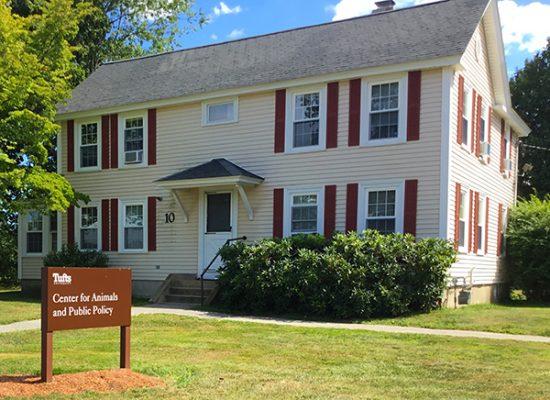
Integral to the MAPP program is Tufts Center for Animals and Public Policy (CAPP). CAPP’s mission is to conduct and encourage scholarly evaluation and understanding of the complex societal issues and public policy dimensions of the changing role and impact of animals in society.

The MAPP program seeks students of diverse academic and professional backgrounds who share an interest in human-animal relationships. Enrolling students may be looking to begin a career related to animals, chart a new direction or deepen their knowledge in their current careers, or pursue another advanced degree.
Ready to launch the next stage of your career?


Meet our faculty and learn more about MAPP at our upcoming online and in-person events for prospective students.
Center for Animals and Public Policy
Cummings School of Veterinary Medicine at Tufts University
200 Westboro Road
North Grafton, MA 01536
Phone: 508-839-7991
capp@tufts.edu
For additional information or questions about the MS in Animals and Public Policy program, please contact:
Dr. Allen Rutberg
MAPP Program Director
Research Assistant Professor, Department of Biomedical Sciences allen.rutberg@tufts.edu
allen.rutberg@tufts.edu
508-887-4769
508-839-3337 (fax)
Ginny Shugrue
MAPP Program Coordinator
Building 5, Grafton
capp@tufts.edu
508-839-7991
508-839-3337 (fax)
Office of Admissions
Cummings School of Veterinary Medicine at Tufts University
200 Westboro Road
North Grafton, MA 01536
vetadmissions@tufts.edu
508-839-7920