Dr. Lina Crespo Bilhalva, 2025 presentation in New Orleans
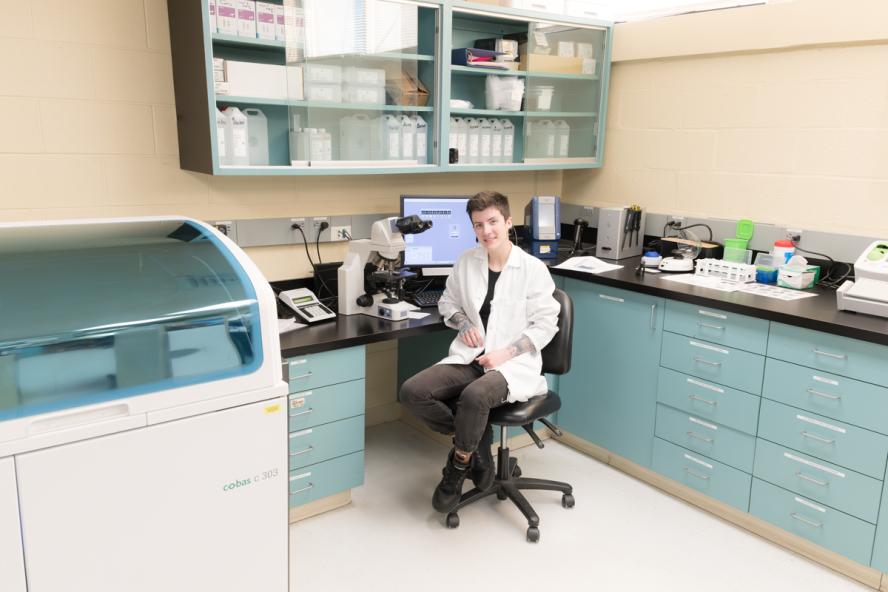
Dr. Lina Crespo Bilhalva, Clinical Pathology, Department of Comparative Pathobiology
Veterinary School: Federal University of Rio Grande do Sul (UFRGS).
Conference Name: American College of Veterinary Pathology/ American Society for Veterinary Clinical Pathology (ACVP/ASVCP): New Orleans, 2025
What is your degree, graduation year, and your advisor?
D.V.M, 2016, M.Sc, 2019, Ph.D., 2024
Faculty advisor: Francisco Conrado, D.V.M., M.Sc., DACVP
What is the title of your presentations?
a) Mystery Slide - Blastocystis in a goat
b) Disseminated granulomatous disease caused by Paecilomyces sp. in a presumptively immunocompetent dog.
How and why is this research/presentation relevant? What was the goal? What is the problem you are trying to solve? Who are you trying to help?
a) This case, Blastocystis in a goat, describes a 1-year-old goat with diarrhea, lethargy, and inappetence that was ultimately found to be co-infected with multiple parasites. One of these parasites had a unique morphology suggestive of Blastocystis, which led us to pursue additional testing that confirmed the diagnosis. While the clinical and zoonotic significance of Blastocystis infection remains uncertain, clinical pathologists should be familiar with its morphology to better assess any potential pathogenic, as well as zoonotic, role.
b) This case, Disseminated granulomatous disease caused by Paecilomyces sp., describes a rare systemic fungal infection in a dog caused by Paecilomyces, an environmental mold not usually associated with disease. The patient was an immunocompetent, young Giant Schnauzer who developed widespread granulomatous lesions across multiple organs. This case expands our understanding of emerging fungal pathogens in veterinary medicine and underscores that even immunocompetent patients may be at risk, challenging existing assumptions about host susceptibility.
Describe the experience of the research and presentation. How has it affected your future pursuits?
Since both are case-based presentations rather than lab-driven projects, the “research” here is about clinical investigation, diagnostics, and collaboration.
I’ve always been drawn to academia, so I followed that path through a master’s and a Ph.D. in veterinary medicine. The residency program has been incredible because it not only supports me academically but also lets me collaborate with other specialties and learn from a wide range of unique cases.
Department:
Dept. of Comparative Pathobiology