Contact Graduate Department of Comparative Health Sciences

Whether you're a prospective student, current student, faculty member, researcher, alumnus, or collaborator, we're here to help. Contact the Graduate Department of Comparative Health Sciences with questions about our graduate programs, admissions, research opportunities, or departmental services.

Our team is committed to connecting you with the right resources and answering your questions. We look forward to hearing from you and helping you find the information you need.

Our Team

Graduate Faculty and Mentors

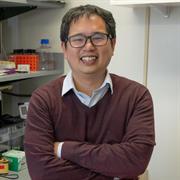
faculty photo

Marvin Schulte

Ph.D.
1) Development of sub-type selective modulators of neuronal nicotinic acetylcholine receptors. The primary goal is to develop and characterize nAChR allosteric modulators as lead molecules for the treatment of diseases involving alterations in nicotinic tone in the CNS. 2) Development of alpha9/alpha10 nicotinic receptor modulators for hearing disorders. This project will develop novel allosteric modulators targeting the unique nicotinic receptor subunit found in the inner ear that is involved in distinguishing sounds such as language from background noise. Signaling in this pathway declines in age, producing a common age-related hearing disorder. This is also a common deficit caused by noise related hearing loss, often called "hidden hearing loss". Enhancement of this pathway by allosteric modulation may permit improved hearing in patients experiencing this disorder. The project aims to understand the structure/function relationships of this receptors unique pharmacology to develop new ligands that selectively target this receptor. The project builds on our prior experience with developing nicotinic modulators. 3) Interaction of viral proteins within the CNS. This project investigates the interaction of viral recognition proteins within the CNS. The model virus for this type of interaction is the Rabies virus; however, there is evidence that other viruses, including influenza, Herpes, COVID-19 and measles, may interact with CNS receptor proteins.
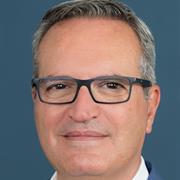
faculty photo

Charles Shoemaker

Ph.D.
My overall scientific goal is to continue contributing research outcomes that lead to improved prevention and therapy of animal and human diseases. Since 2004 at Tufts, my lab has primarily performed research to develop therapeutic agents that prevent or reverse intoxication from bacterial toxins. This work initiated with a focus on botulinum neurotoxin but has expanded to Shiga toxins, C. difficile toxins, anthrax and ricin. We are also developing VHH-based therapeutics to treat enteric pathogens such as Shigella, Cryptosporidia and Enterotoxigenic E. coli (ETEC). In related work, we are developing immunotheraputics for prevention or treatment of the developing world disease, schistosomiasis. Our major current collaborations are with other Tufts laboratories and laboratories at U. Cal. Irvine (UCI), NY University (NYU), Wake Forest Institute for Regenerative Medicine, UMass, Northeastern U., Harvard U., Wadsworth Institute, and HDT Bio. Much of our research involves the lab's expertise in the preparation and engineering of immunotherapeutics composed of camelid single-domain antibody binding agents called VHHs or nanobodies. We have leveraged this expertise to attract numerous funded collaborations in which we assist other labs or companies in the production and engineering of these binding agents for their projects. Prior to joining Tufts and since 1987, most research under my direction applied molecular biology tools to the study of host interactions with helminth parasites, and this work continues to a lesser extent.

Contact Us

Graduate Department of Comparative Health Sciences
Cummings School of Veterinary Medicine
200 Westboro Road, North Grafton, MA 01536